
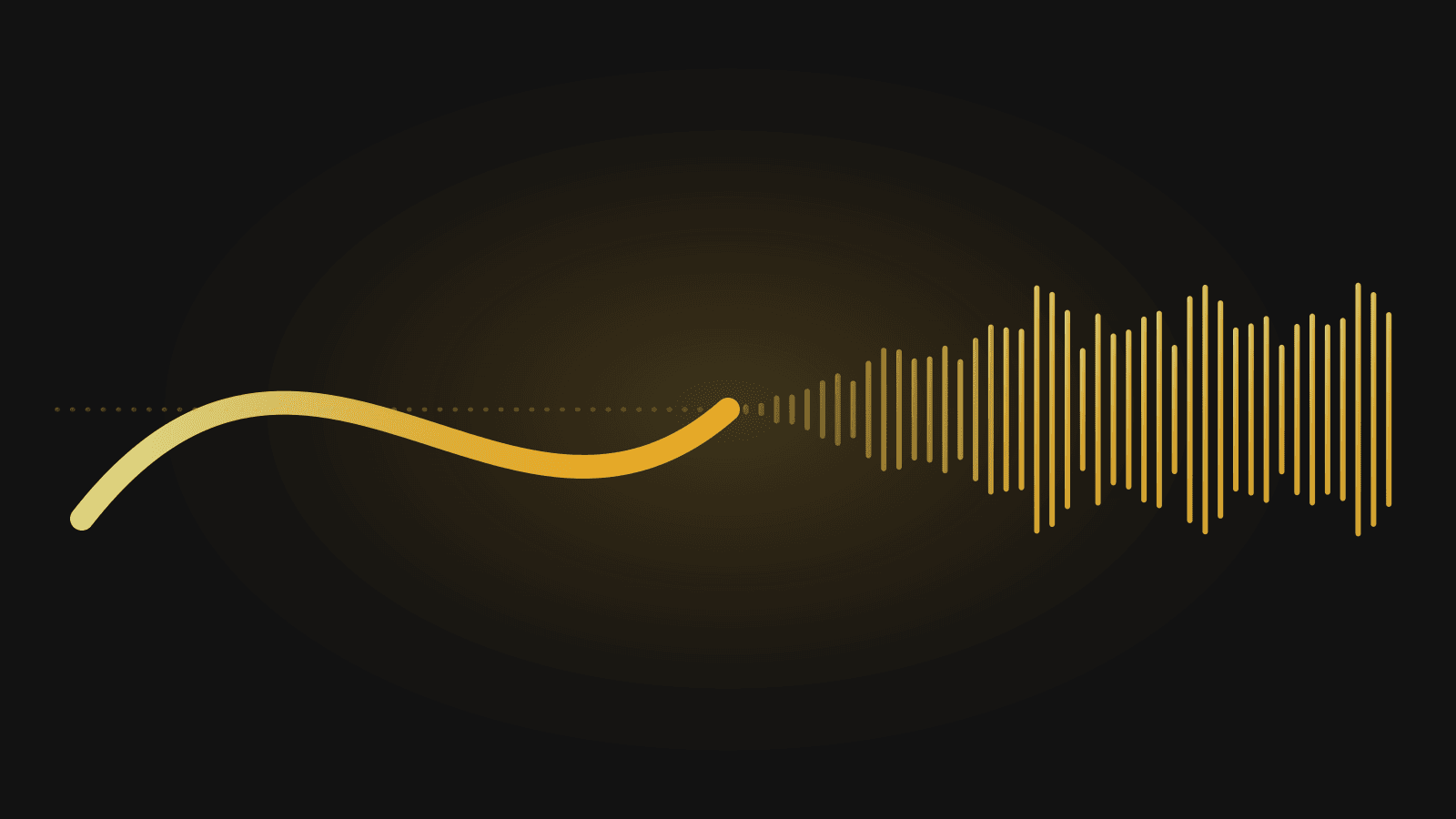
One of the most personal things I get to do is take a piece of my own art, something I actually made with my hands, my late nights, my overthinking, my quiet wins, and turn it into music.
There's a specific feeling that hits when a painting or sketch I poured myself into suddenly has a soundtrack. It's like the piece gets to speak in a second language. Sometimes it says things I didn't realize I had put into the colors and shapes.
I've done this enough times now that it's become part of how I stay connected to my own work. I'll finish a piece, or even just get stuck in the middle of one, upload it, and listen. More than once the music that came back showed me an emotion sitting underneath the visual that I hadn't fully named yet. Equal parts surprising and comforting.
Why This Feels So Personal
As both an artist and a musician, I've always felt like image and sound are two sides of the same coin. A certain blue can feel like a minor chord. Negative space can feel like a held breath.
When I translate my art into sound, I'm not trying to replace the painting. I'm giving it another way to exist, and giving myself another way to understand what I made.
There are days when the next canvas feels heavy or the mental noise gets loud. On those days, taking an existing piece and turning it into music often softens something. It keeps the creative conversation going without demanding that I start from zero. It reminds me the work already has life in it, even when I can't quite feel it.
I remember one piece in particular, a digital work carrying a lot of quiet tension for me. When I ran it through HitZERØ, the track that came back had a steady, almost protective pulse underneath a softer melody. I sat with it for a while. It felt like the painting was telling me I was allowed to hold both the weight and the softness. That moment stayed with me.
The Process Still Feels Like Mine
What I love most is that the starting point never stops being human.
The image carries my decisions, my hand, my history with the piece. The intention I bring, even if it's just “show me what this feels like,” shapes the direction. The AI helps translate. It doesn't touch the heart of the work.
The track that comes out is original, fully mine, and still rooted in something I made. That matters.
It keeps the whole experience feeling like collaboration instead of something being taken. And because every track carries perpetual commercial rights, the second version of the piece belongs to me exactly as much as the first one does.
An Invitation From My Process to Yours
If you make any kind of visual work like paintings, photos, sketches, digital pieces, even messy notes, try feeding one into the platform and just listening.
You don't need a perfect prompt. Sometimes I upload the image and add a short note about the feeling I want to explore. Other times the image alone is enough. Then I listen with as little judgment as possible and notice what lands.
It's become one of the gentlest ways I know to stay in relationship with my own creativity.
A Few Questions I'm Still Asking Myself
- What piece of my work is quietly waiting to be heard?
- How does it feel when another medium reflects my own art back to me?
- Where in my process could this kind of translation help me feel less stuck?
- What emotion in my visual work feels ready to become sound?
For me this has become a quiet form of care. It lets my art keep talking even when I'm tired, uncertain, or between bigger projects. The original piece stays exactly what it is. The music gives it another way to be felt.
Keep listening to what your own work has to say.